
Introduction
Whenever I visit homes with young children, I notice the same pattern almost everywhere on the shelves overflowing with toys, baskets spilling over, and children moving from one toy to another within minutes. While it may look like abundance equals happiness, research and real-world experience suggest otherwise. When children are surrounded by too many toys, meaningful play often takes a back seat.
You might wonder why this happens. This is where toy rotation comes in a simple yet powerful approach that supports better play, deeper engagement, and calmer homes. Toy rotation does not mean depriving children; it means offering the right amount at the right time.
So, what exactly is toy rotation?
Toy rotation is the practice of offering children a limited selection of toys at a time, while storing the rest away and reintroducing them periodically. The goal is not restriction, but intentional play giving children the space to engage deeply in what is in front of them.
The Problem with Too Many Toys
While toys play an important role in a child’s learning and development, having too many toys can unintentionally create challenges rather than benefits.
#1 Overstimulation and Short Attention Span
When children are surrounded by too many choices, their brains become overstimulated. This often leads to shorter attention spans, with children jumping quickly from one toy to another without fully engaging in play.
#2 Less Creativity and More Passive Play
An excess of toys can reduce imaginative thinking. Instead of creating their own ideas, children may rely on toys that do the work for them, resulting in more passive and less meaningful play.
#3 Increased Frustration and Meltdowns
A cluttered play environment can feel overwhelming for young children. This overload may lead to irritability, difficulty regulating emotions, and more frequent meltdowns.
Amazon Toy Picks That Grow with Your Child
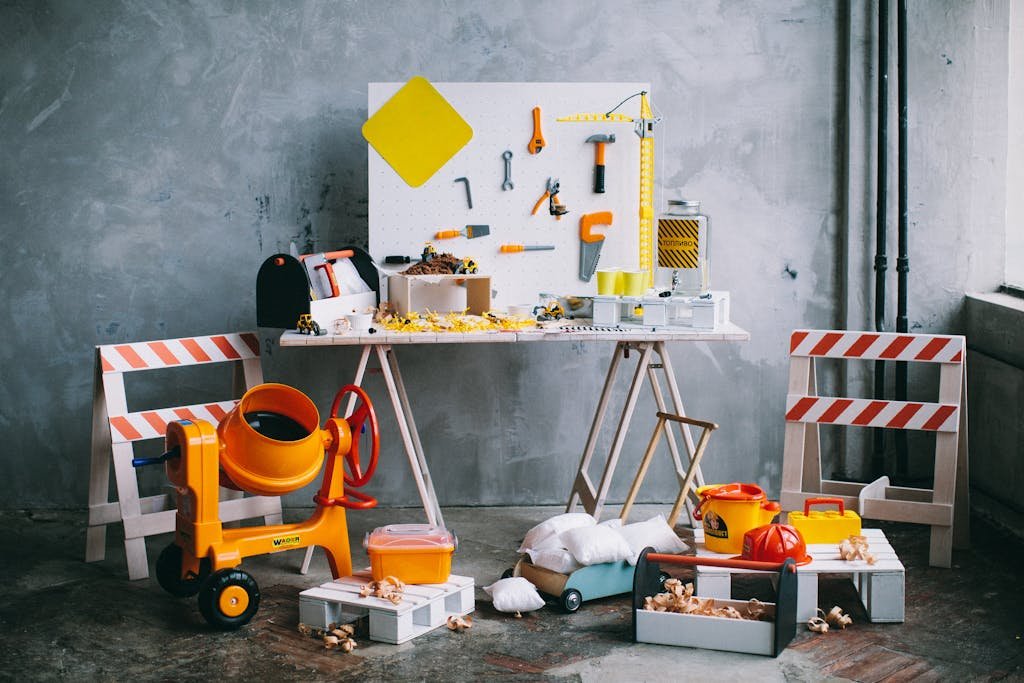
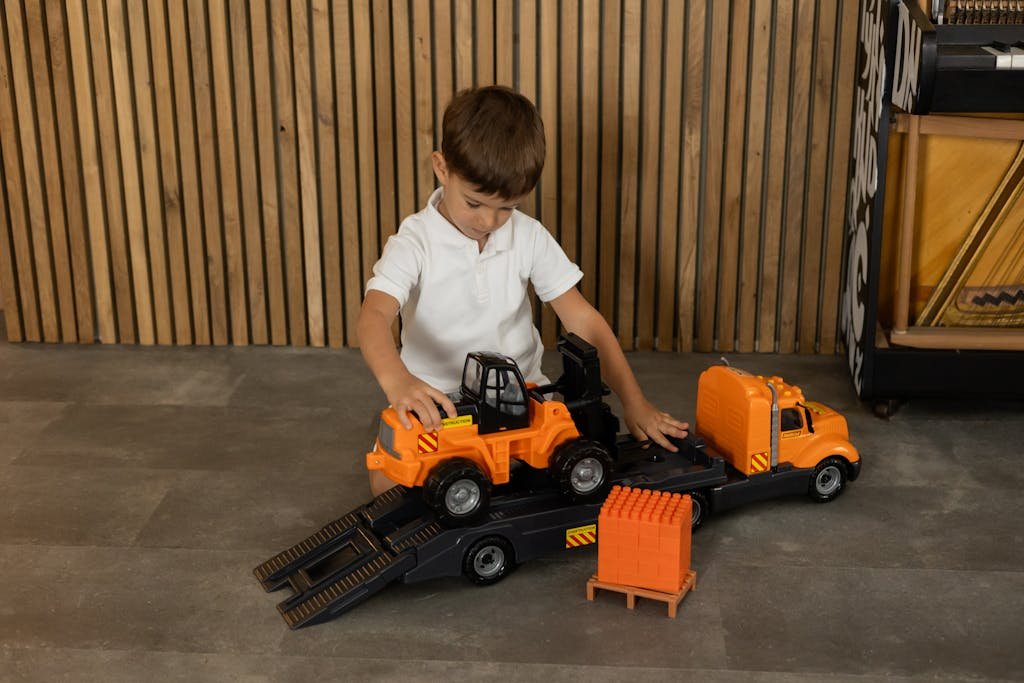
#1 Building & Construction
 |
 |
#2 Magnetic & STEM Play
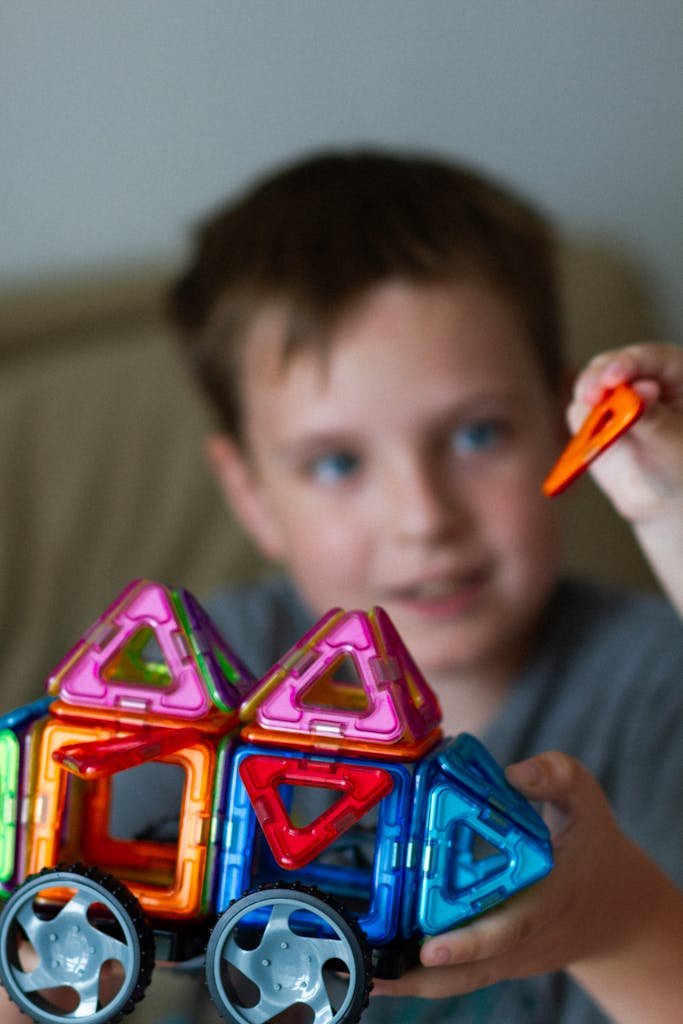 |
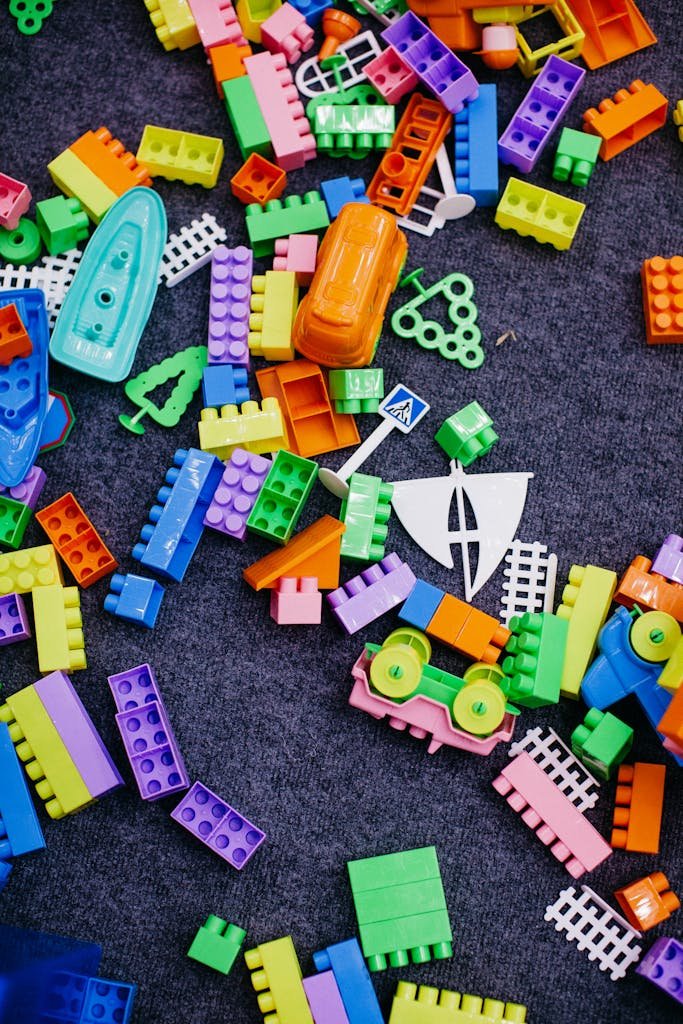 |
#3 Additional Play Ideas You Can Rotate
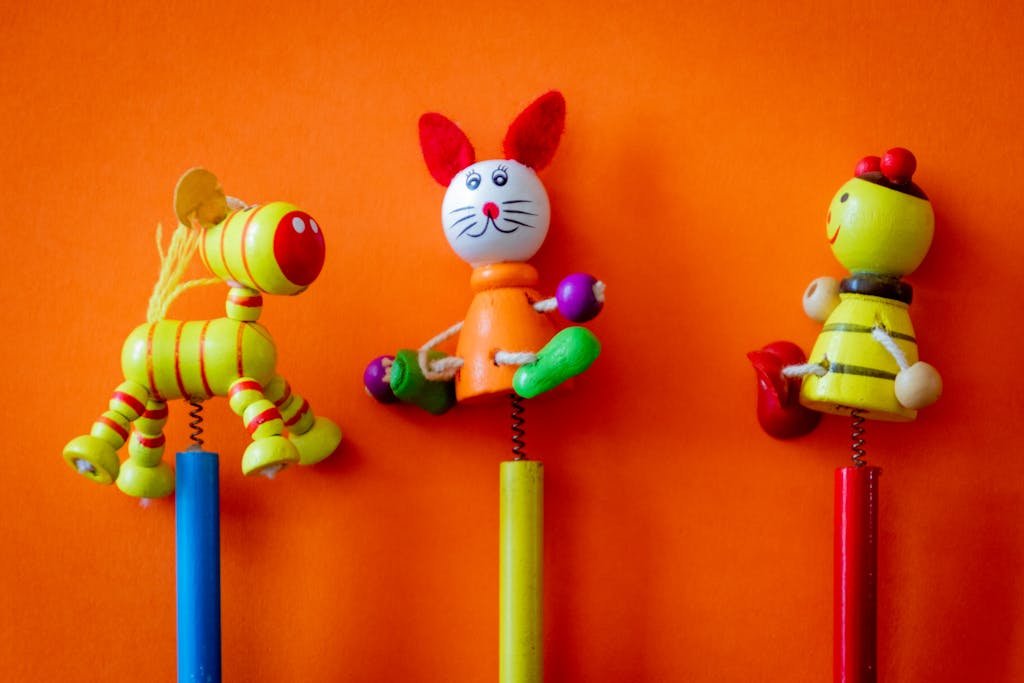 |
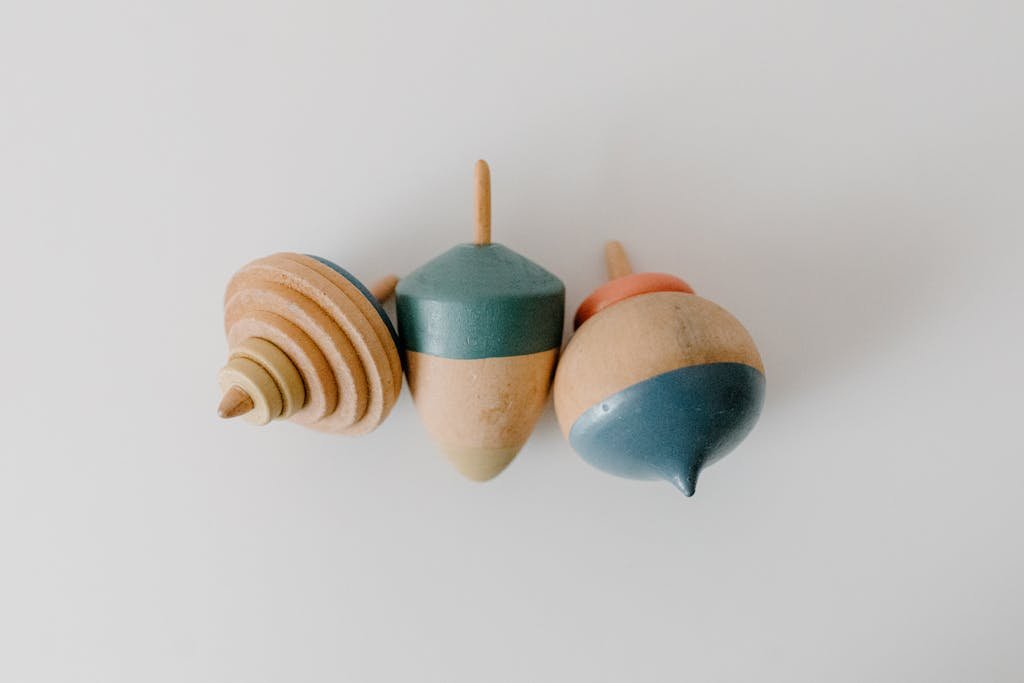 |
Final Thoughts
Toy rotation is not about reducing joy; it is about restoring focus. When children are offered fewer, thoughtfully chosen toys, they tend to play longer, think deeper, and engage more meaningfully. A simpler environment supports better concentration, stronger imagination, and calmer behavior.
By rotating toys every 1–2 weeks and observing what truly interests your child, you create a play space that feels fresh without constantly adding more. Sometimes, less truly becomes more especially in early childhood.
More to Read
- Is Toy Impacting Your Child’s Speech Development? Find Out Inside
- Expensive vs Budget Baby Toys: What Should Parents Really Choose?
- Is Toy Impacting Your Child’s Speech Development? Find Out Inside
- The question is, do parents really think before buying a toy?
- Toys That Help Babies Reach Milestones Faster