
Introduction
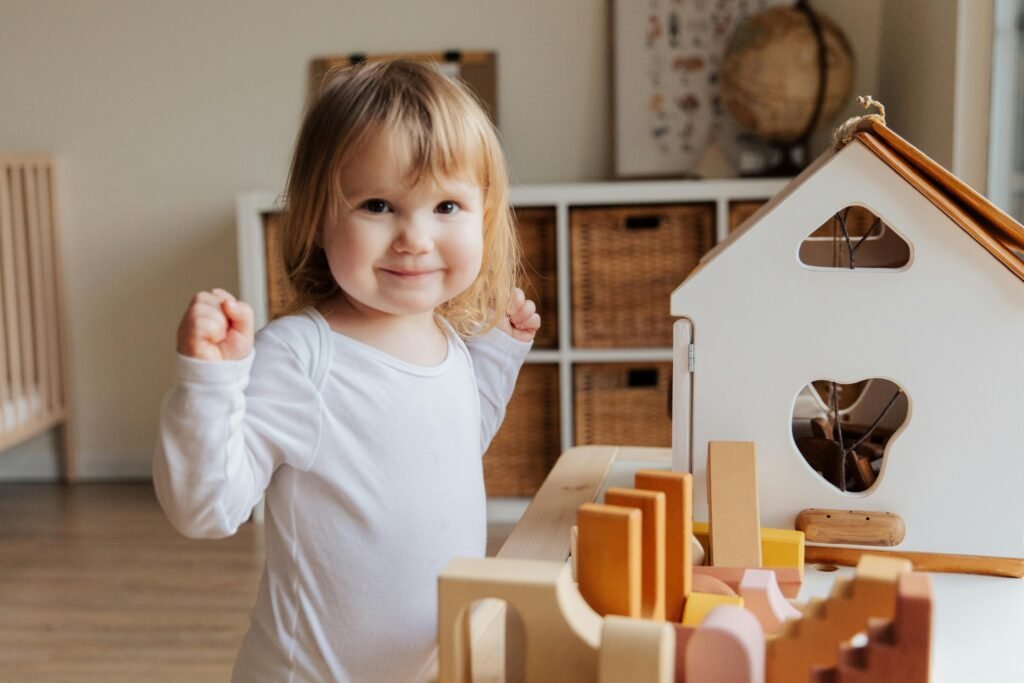
Toys can do a lot they can spark imagination, teach coordination, and even boost problem-solving skills.
Let’s dig into the science behind play and discover what really benefits your little one.
Science-Based Findings You Should Know.
Toys support cognitive, language, and social development.
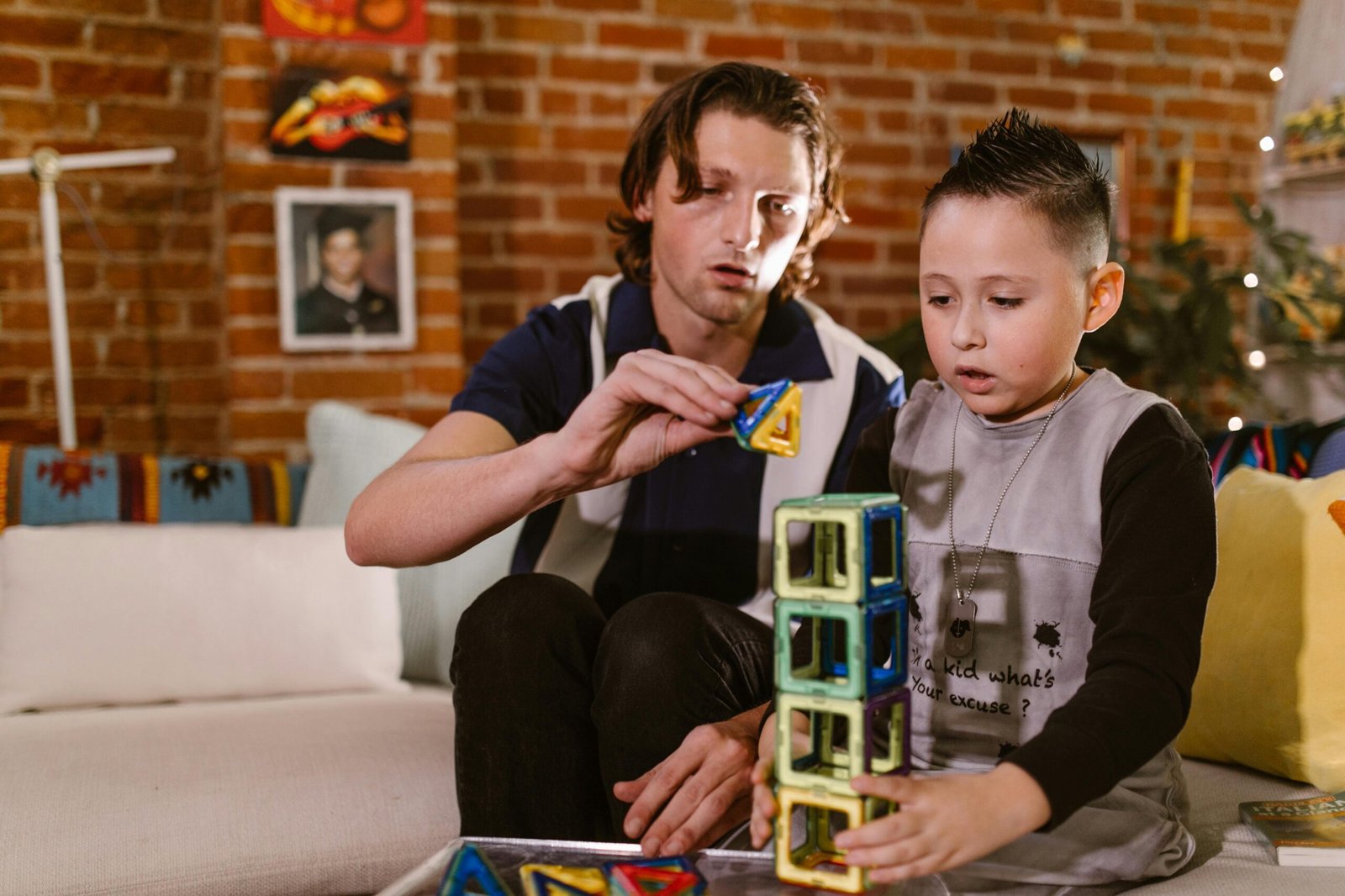
Research shows that when children interact with toys, they engage multiple developmental systems at once. Play naturally strengthens thinking skills, motor coordination, communication, and emotional understanding. These early experiences help children become more confident, curious, and creative learners as they grow.
Open-ended toys encourage deeper learning.
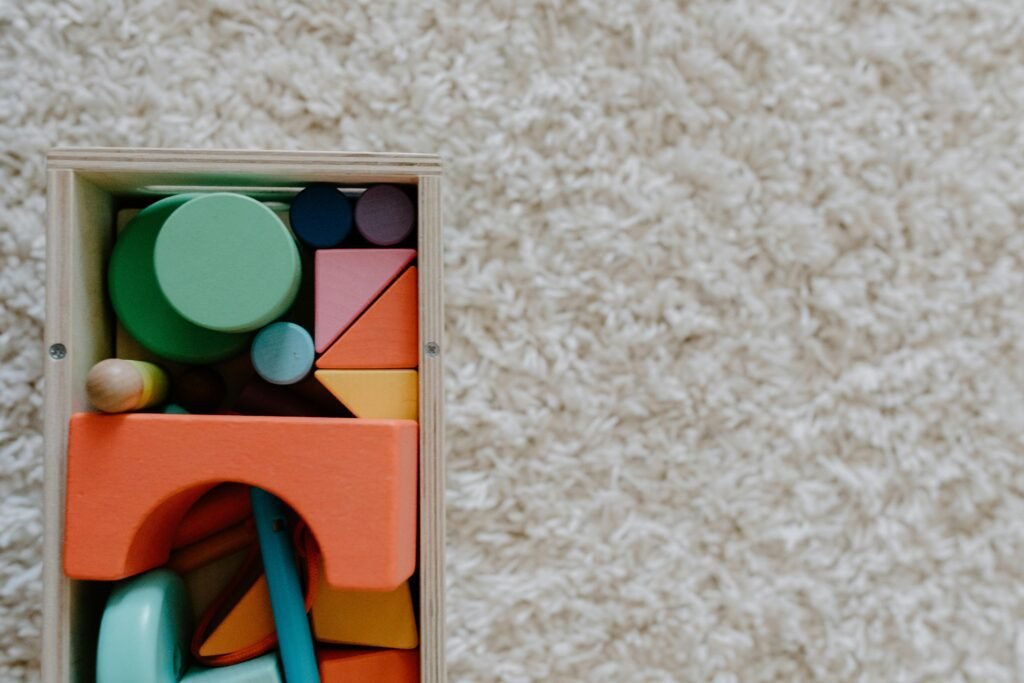
Open-ended materials such as blocks, loose parts, and simple household items allow children to use them in many different ways. Because these toys have no fixed purpose or “correct” outcome, they naturally promote problem-solving, creative play, imagination, and exploration. Children stay engaged longer and learn to think independently when the toy doesn’t dictate how they should play.
Loose-parts play supports essential cognitive skills.
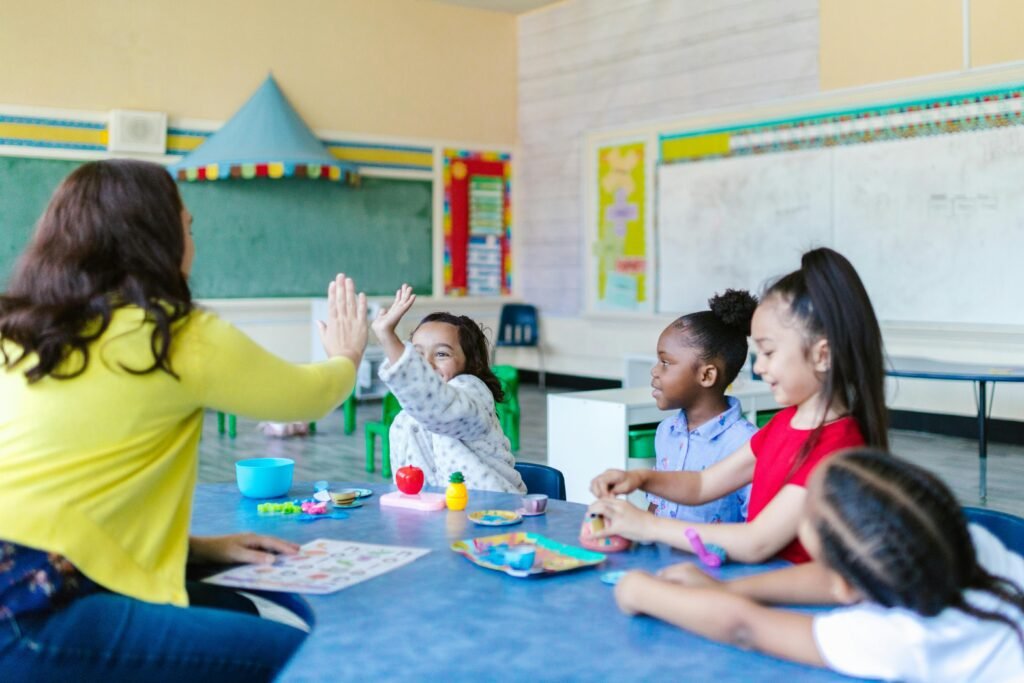
Systematic reviews show that when children play with loose, unstructured materials (like stones, sticks, lids, fabric, containers), they develop stronger divergent thinking the ability to generate creative ideas. This kind of play also improves engagement, decision-making, and self-regulation. These abilities form the foundation for later academic learning and flexible thinking.
More toys don’t always lead to better play
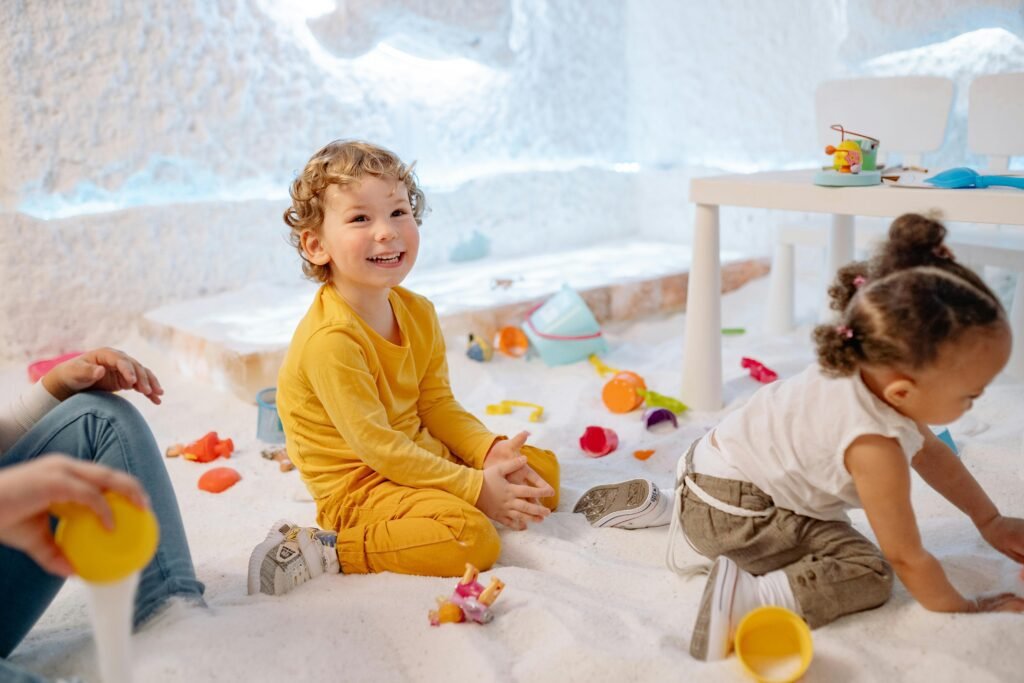
Research suggests that toddlers who are given a smaller selection of toys often play more creatively and with better focus compared to children who have access to many toys at once. Too many options can overwhelm young children, shorten their attention span, and reduce the quality of their play. Fewer toys, used intentionally, help children explore deeply and use their imagination more effectively.
What Experts Around the World Say
Play is biologically linked to emotional and cognitive development.

Neuroscience research shows that free play not structured games or guided activities activates brain pathways that help young children manage their emotions and stress. Experts emphasize that play supports healthy brain development, particularly the prefrontal cortex, which is key for self-control and emotional resilience.
Rhythmic play boosts early literacy skills
Child development specialists in the UK and Australia have found that activities involving rhythm, chants, or repetitive sounds like clapping games or musical toys are linked to faster vocabulary growth and stronger phonological awareness. These skills are crucial for children’s reading readiness.
Nature-integrated play enhances physical and cognitive development
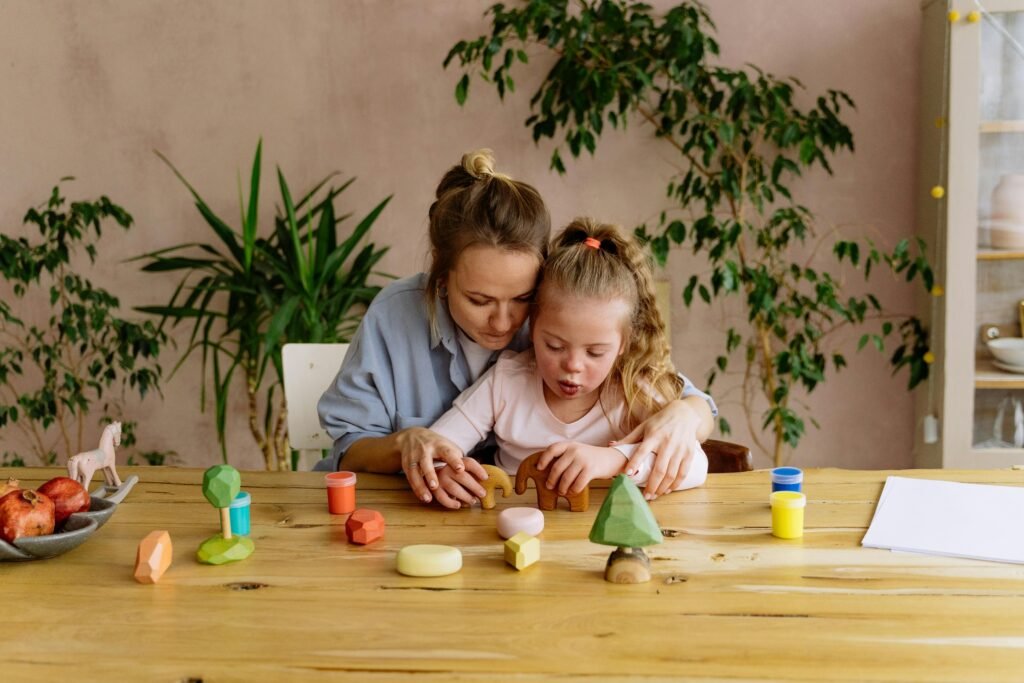
Research from Scandinavia and Japan shows that incorporating natural materials such as leaves, stones, sand, or water into play not only improves gross motor skills but also strengthens executive functions like planning, attention shifting, and working memory. In fact, these benefits often surpass those gained from conventional indoor toy sets.
Peer play develops negotiation and communication skills early

Early education experts from the Netherlands and New Zealand have found that toddlers who play with peers rather than only with caregivers develop negotiation, turn taking, and persuasive communication skills earlier than those who mostly play alone. These social and language abilities can start emerging even before age four.
Final Thoughts
Experts around the world agree that play is much more than just fun it is essential for a child’s emotional, social, and cognitive development. Through play, children can strengthen language skills, enhance executive functions during nature-based activities, and develop negotiation and communication abilities through peer interactions. Every form of thoughtful play contributes to a child’s overall growth and lays the foundation for lifelong learning.
More to Read
- The question is, do parents really think before buying a toy?
- Toys That Help Babies Reach Milestones Faster
- The best 6 baby bathtubs in 2024
- How to bathe a newborn baby in 13 steps: The comprehensive guide
- Baby bath Ideal temperature: A Guide to Baby Bath Water
- Choosing the right baby bath products in 2 steps: The comprehensive guide