
Introduction
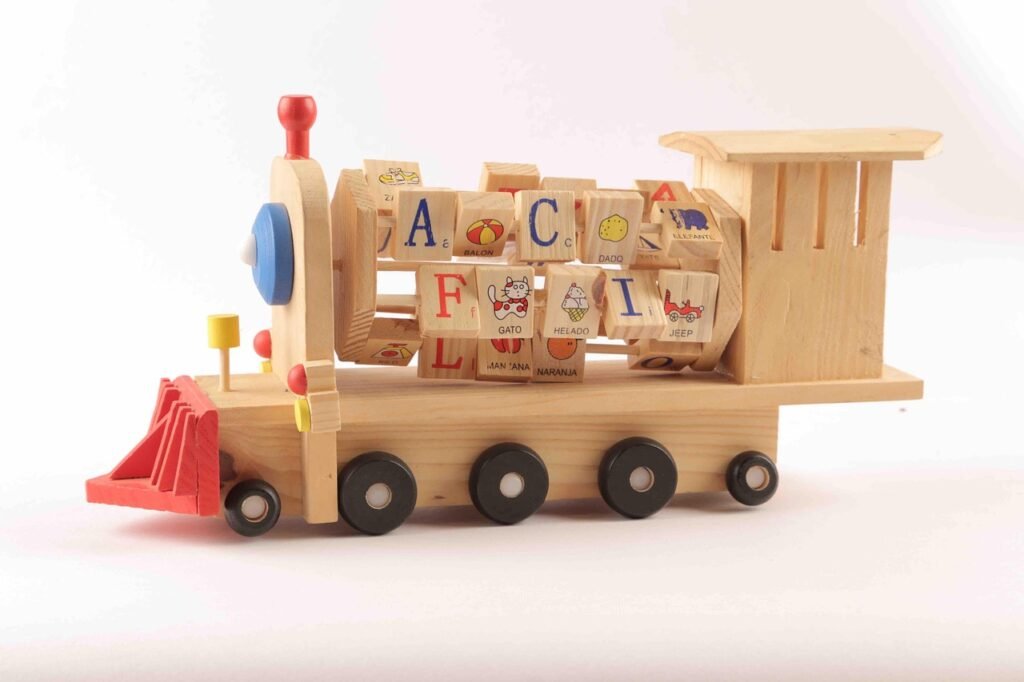
As a parent, you might often feel confused about why your baby prefers one toy over another. No matter how the toys look or how useful they might be, your little one seems to always choose that same favorite toy again and again. Even when the entire room is filled with so many options, they still reach for just one.
So, let’s talk about this. Babies don’t choose toys randomly. Their tiny brains are constantly decoding colors, shapes, sounds, and the comfort they feel from each object. Every choice they make reflects how their mind is developing and what their senses are craving at that moment.
Here are some key reasons behind a baby’s toy preference:
Sensory Appeal (Neurosensory Input)
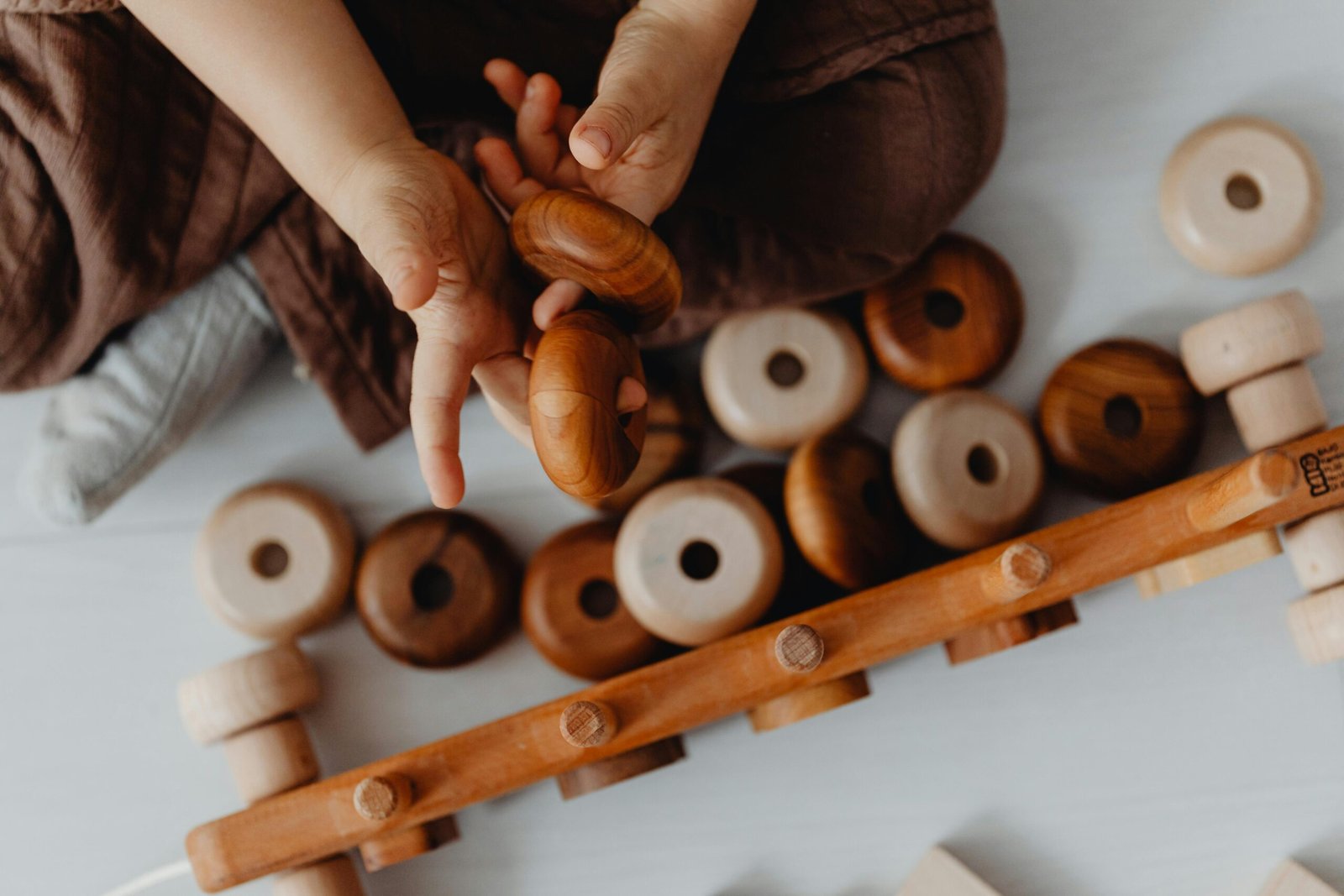
Babies usually choose toys that stimulate their senses. Bright colors, soft textures, and interesting sounds trigger strong neural responses. This helps build curiosity and gives them little bursts of joy and reward, making those toys more appealing.
Novelty + Familiarity (Cognitive Bias)
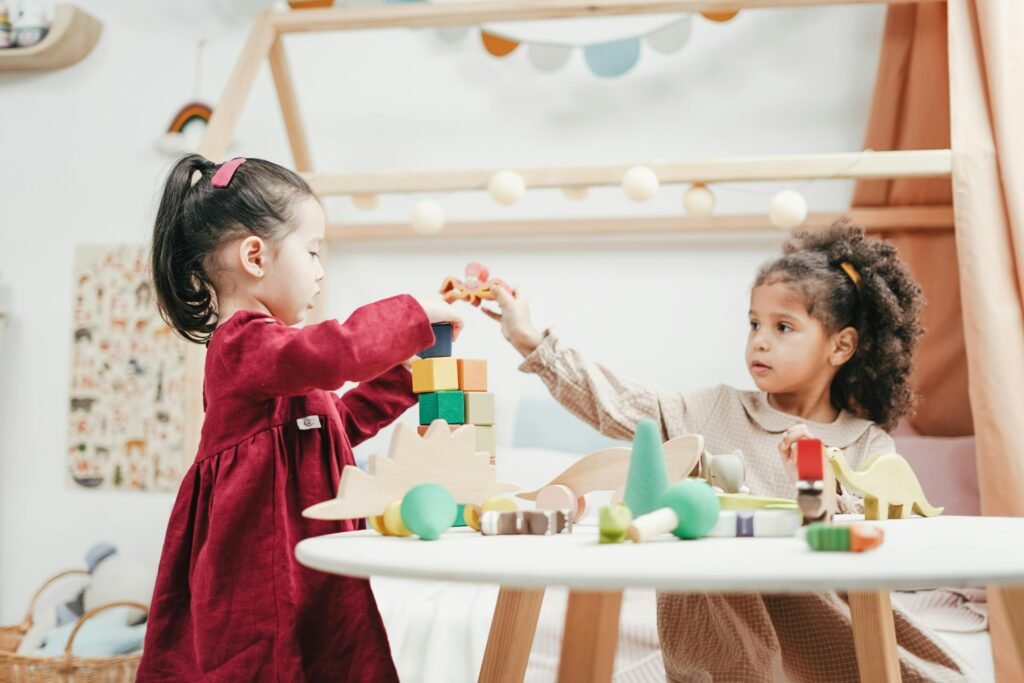
Babies are naturally drawn toward new shapes and movements, as novelty excites their developing brain.
But they also find comfort in familiar toys when they need security.
So, their choice often depends on their emotional state curiosity or comfort.
Developmental Needs (Growth Alignment)
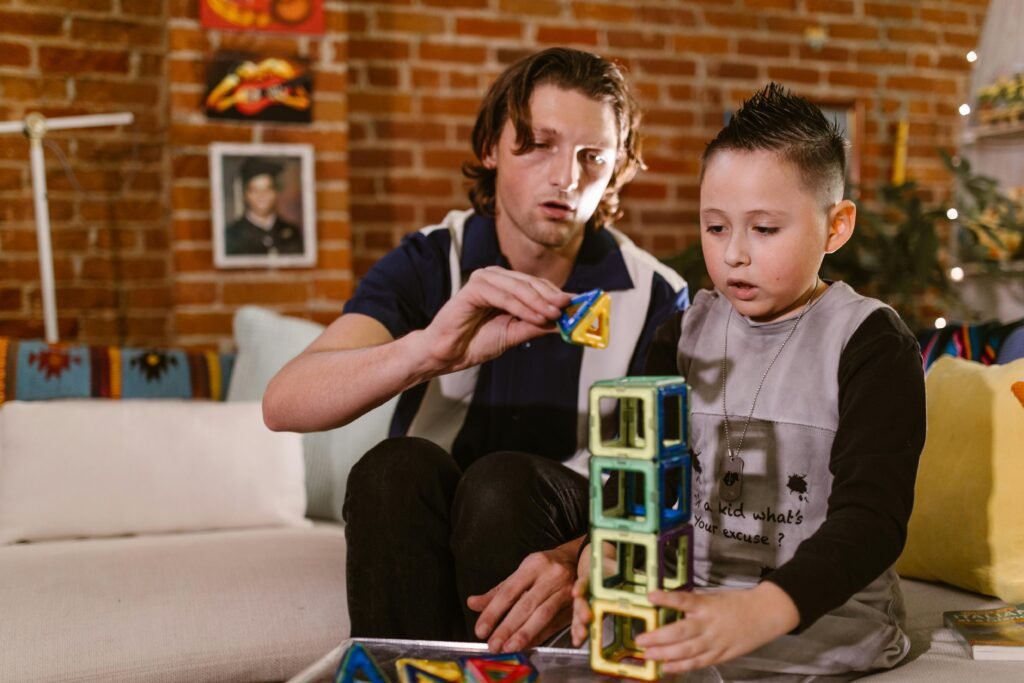
Babies prefer toys that match their current milestone:
- Reaching → toys that dangle
- Grasping → textured rattles
- Crawling → toys that roll
Such toys help them practice new skills, build confidence, and feel a sense of achievement.
Emotional Connection (Associative Learning)
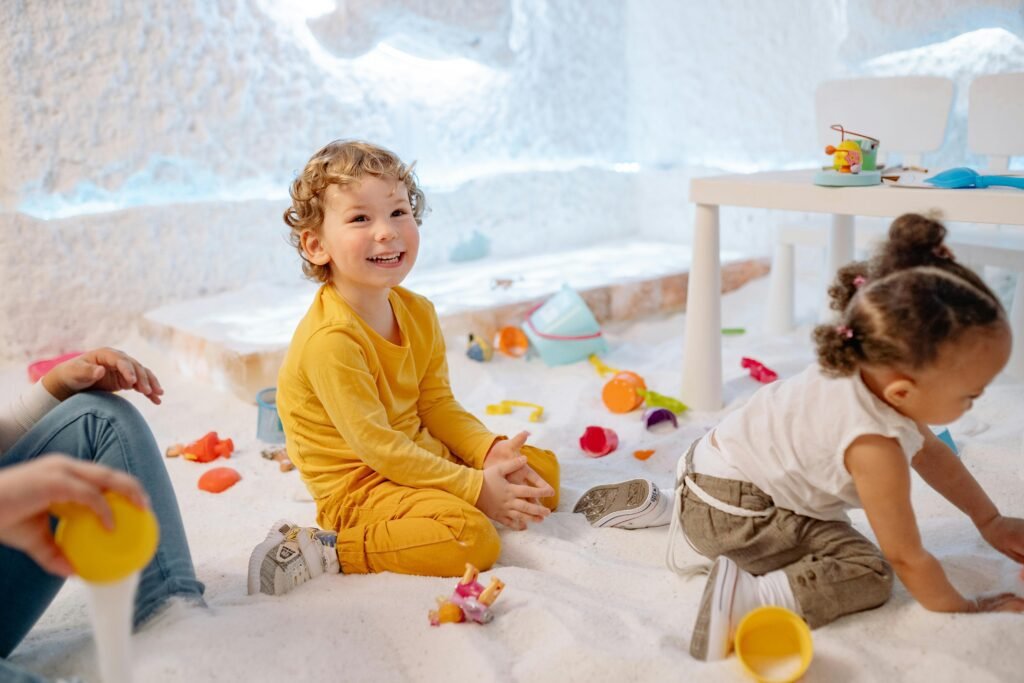
A toy becomes special when it is associated with happy moments being cuddled, laughing, or comfort from a caregiver.
These positive emotional memories make the baby choose that toy again because it feels safe and loved.
Social Influence (Attention & Modeling)

Babies notice what adults react to.
If parents smile, clap, or engage more with a particular toy, the baby mirrors that behavior and starts preferring that toy too.
This is called social referencing learning by observing other reactions.
Final Thoughts
So next time you wonder why your baby ignores the fancy new toys you bought and keeps returning to that same old favorite, don’t worry there’s real science behind it. Every choice your little one makes reflects their growing senses, developing brain, emotions, and the comfort they seek from the world around them.
By understanding this psychology, you can choose toys that support their speech, sensory, and motor development while also making playtime more joyful and meaningful for them.
More to Read
- The question is, do parents really think before buying a toy?
- Toys That Help Babies Reach Milestones Faster
- The best 6 baby bathtubs in 2024
- How to bathe a newborn baby in 13 steps: The comprehensive guide
- Baby bath Ideal temperature: A Guide to Baby Bath Water
- Choosing the right baby bath products in 2 steps: The comprehensive guide