
Introduction
When the world around an autistic child feels too loud, too bright, or too overwhelming, the right toy can become more than just a toy it can become a source of comfort and safety.
For many autistic or sensory-sensitive children, everyday experiences may feel unusually intense. Sounds like a school bell, crowded spaces, certain textures, or unexpected noises can quickly trigger stress or sensory overload.
In such moments, the goal is not simply to distract the child, but to support them in feeling safe, calm, and regulated.
This is why sensory-supportive toys can be so valuable.
Why do these toys matter?
The right sensory toys can help children:
- Regulate themselves during overwhelming situations
- Improve focus and attention
- Release stress or restless energy
- Feel more secure in unfamiliar settings
- Interact with their surroundings more comfortably

For autistic children in particular, sensory toys can serve as gentle, effective tools for emotional comfort and nervous system regulation.
Types of Toys That Can Help
#1 Fidget Toys
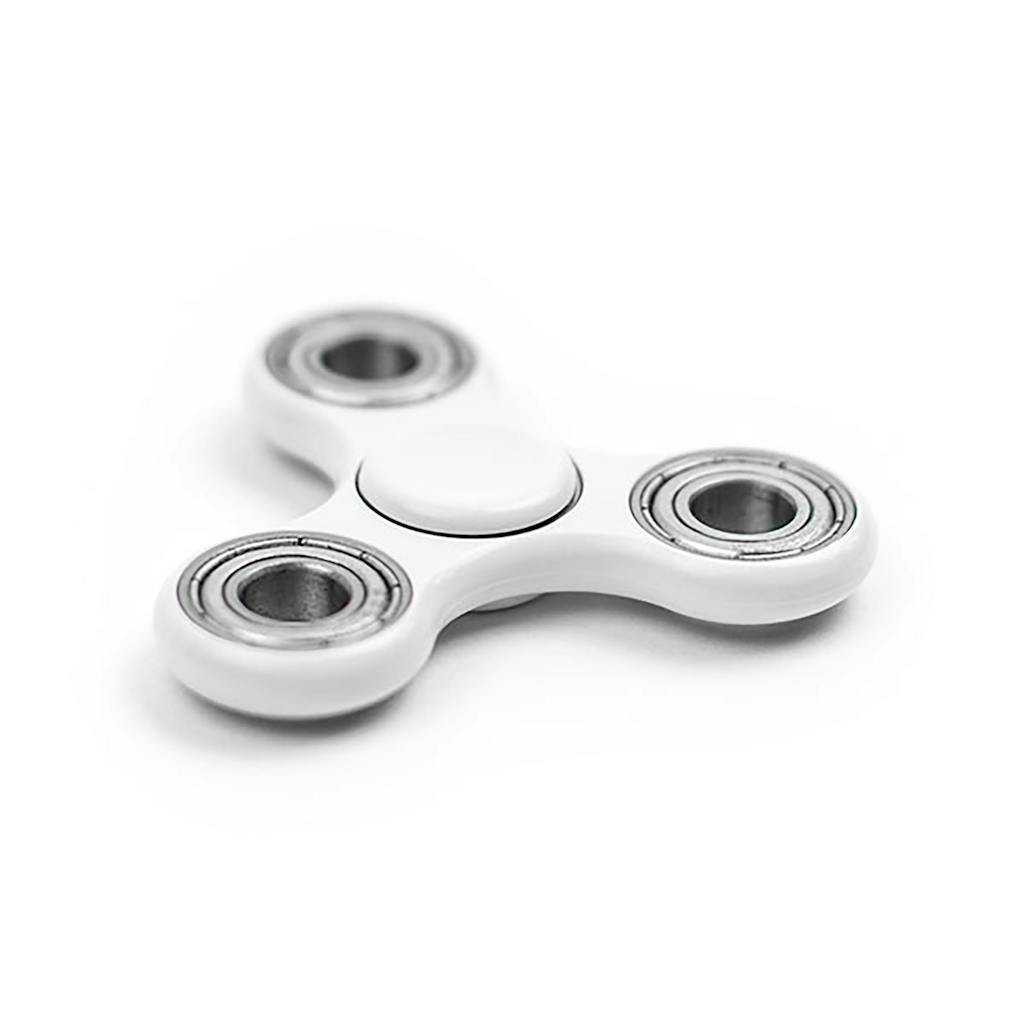
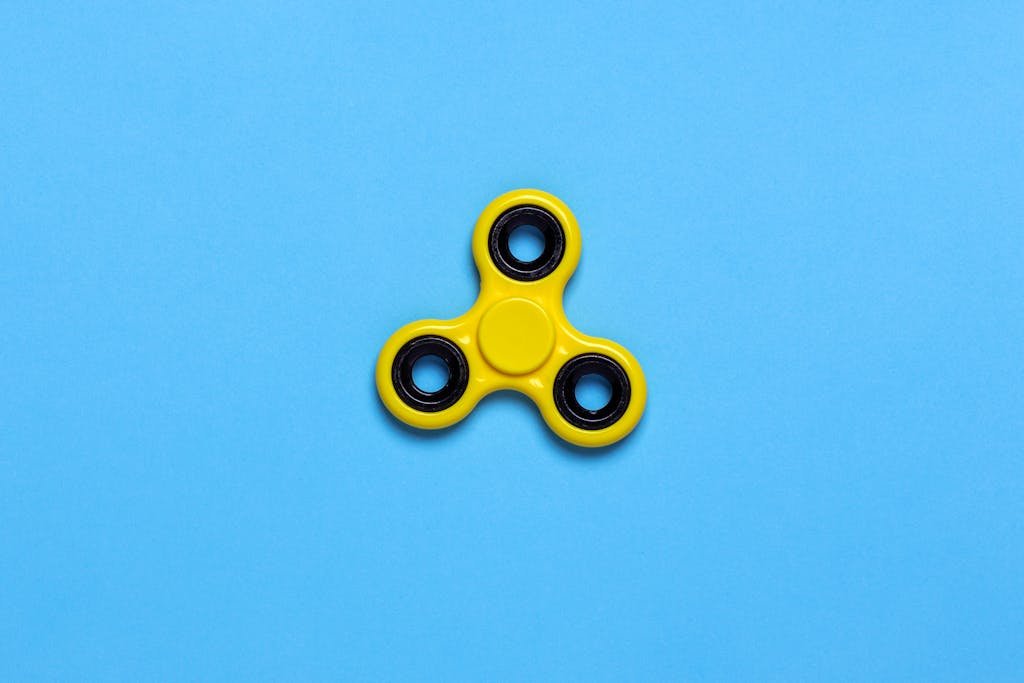
Simple fidget tools like spinners, stretchy bands, or sensory rings can help children channel restless energy and stay more grounded. These are especially helpful during transitions, waiting time, travel, or moments when a child needs calming hand-based sensory input.
 |
 |
#2 Weighted Soft Toys or Lap Pads
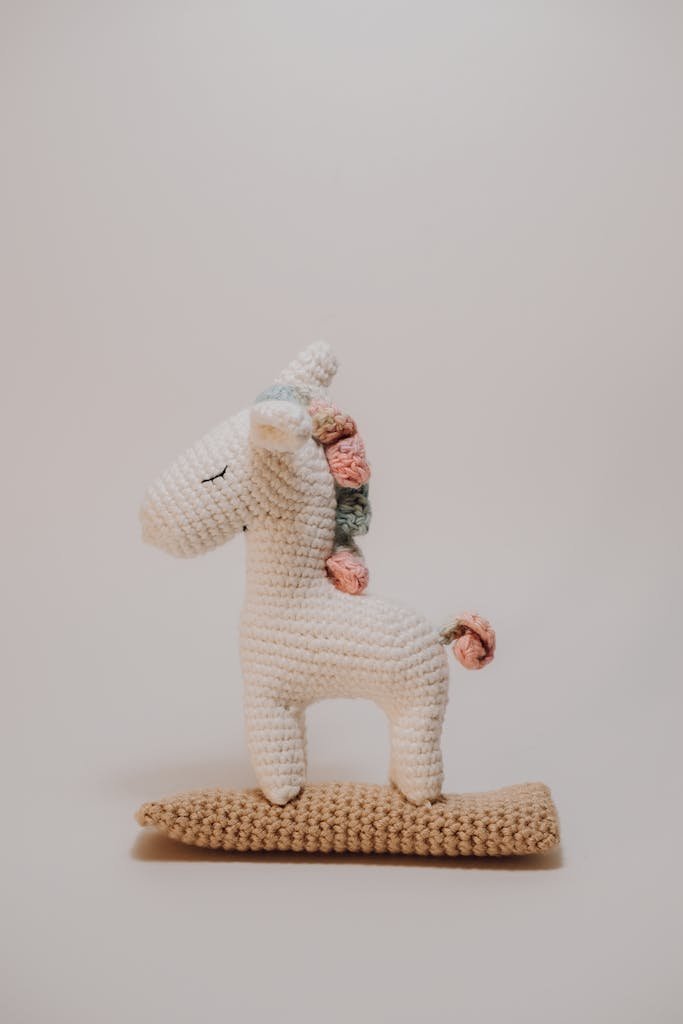
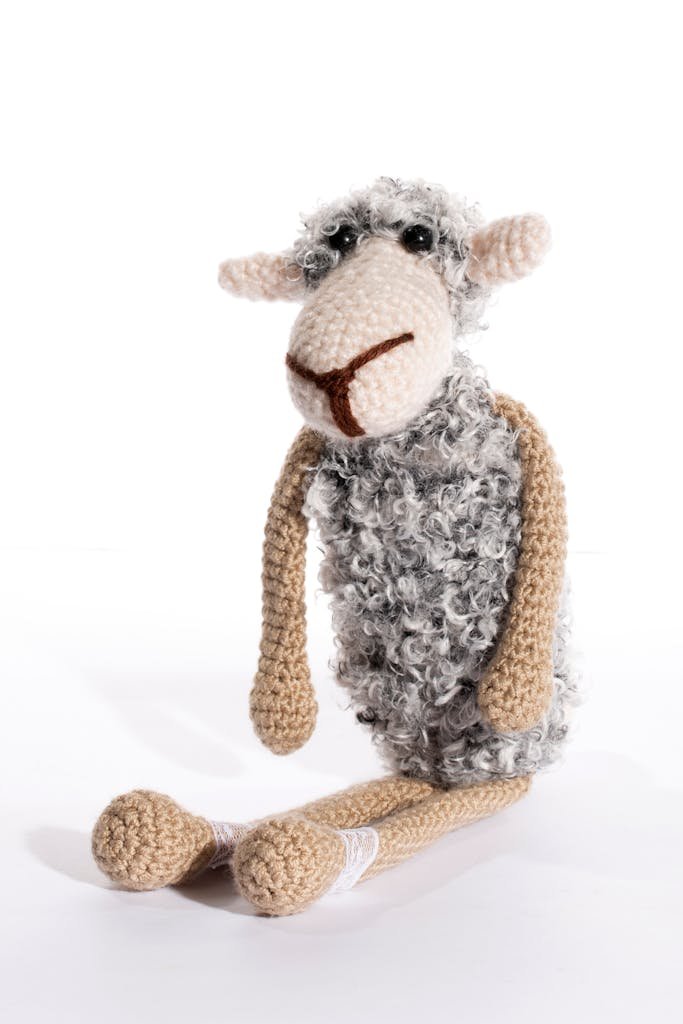
Gentle pressure can feel very calm for some children. Weighted soft toys or lap pads may offer a sense of comfort, body awareness, and emotional security—especially during seated tasks, story time, or unfamiliar environments.
 |
 |
#3 Textured Sensory Toys
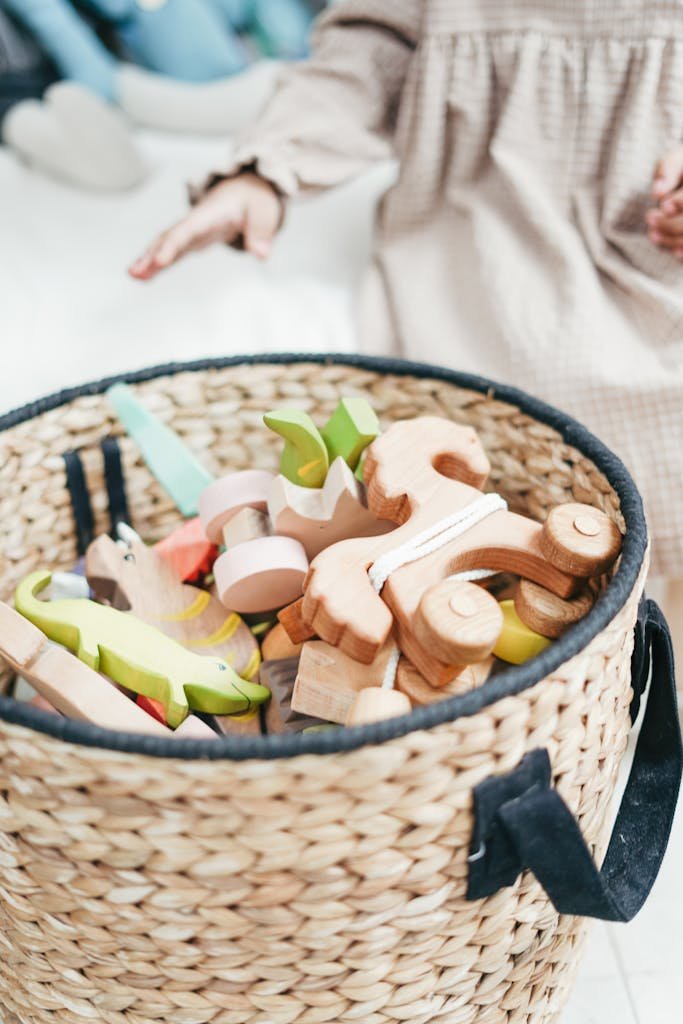
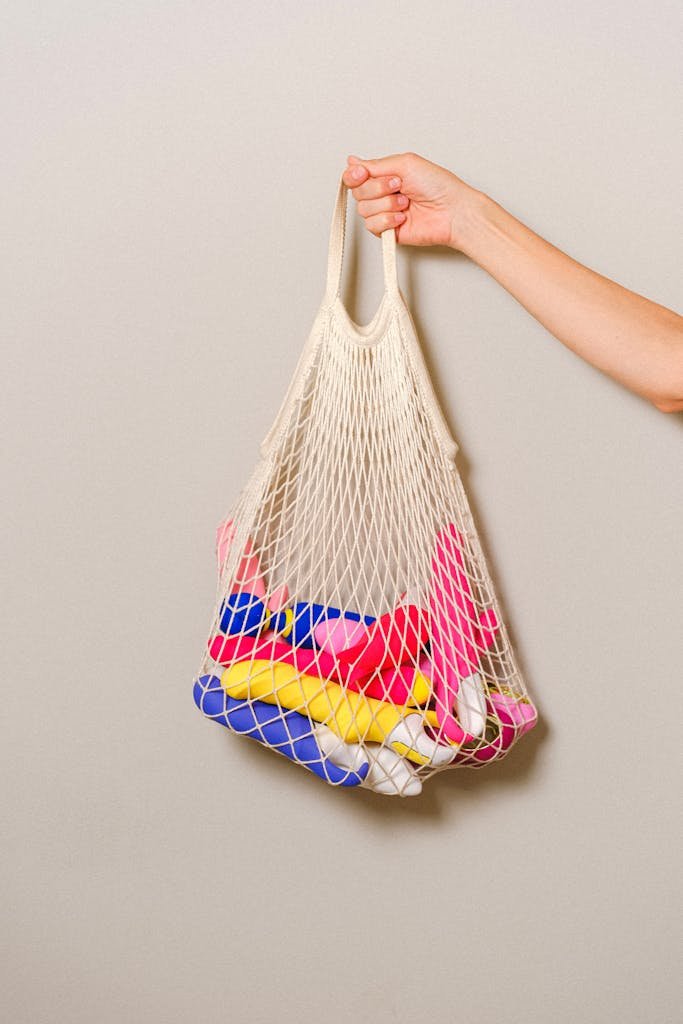
Toys with different textures soft, bumpy, squishy, smooth, or stretchy can help children explore touch in a safe and playful way. These can be especially helpful for children who seek tactile input or need a calming sensory outlet.
 |
 |
#4 Sensory Balls and Pop Tubes
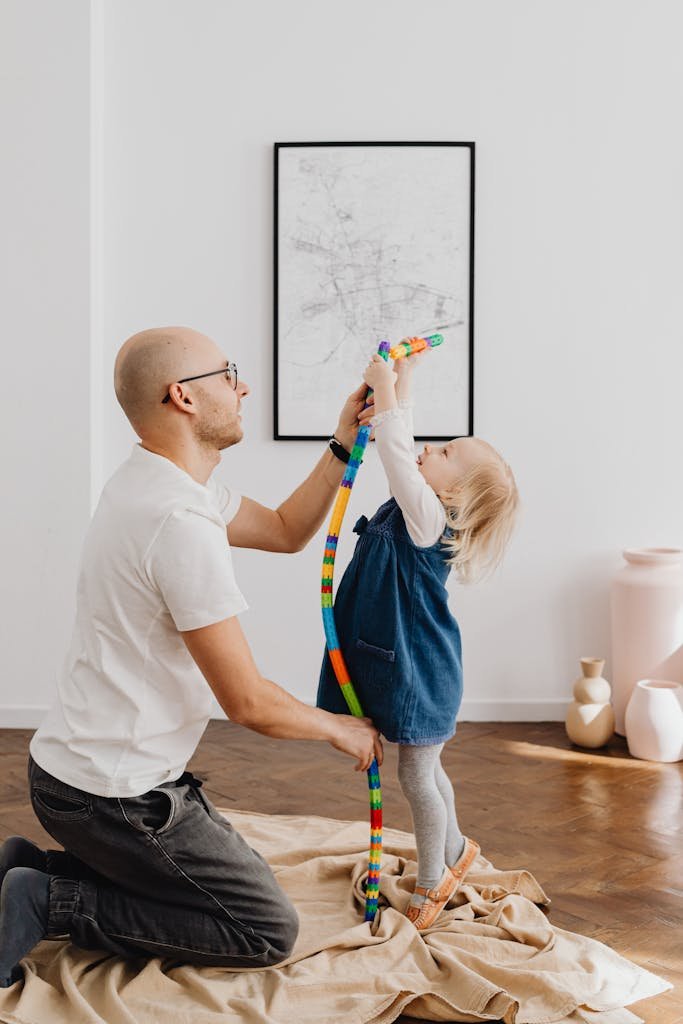
Sensory balls and pop tubes are great for tactile input and can be especially helpful for children who enjoy squeezing, stretching, movement, or repetitive sensory feedback. They can support both calming and focus depending on the child’s sensory needs.
 |
 |
#5 Chew-Safe Sensory Tools
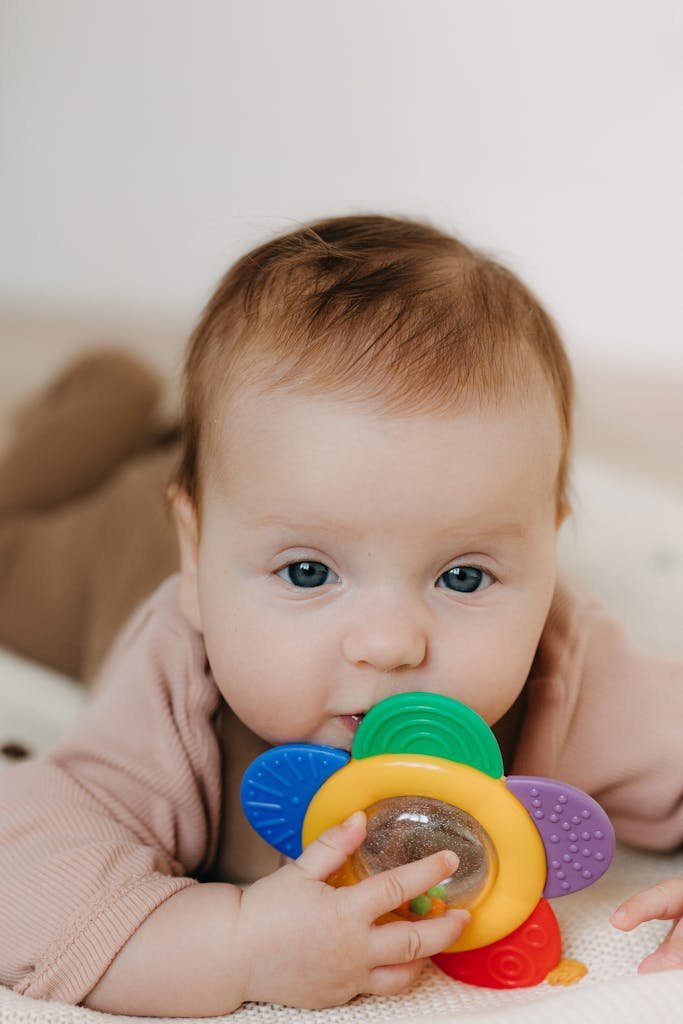
Some children seek oral sensory input, especially during stress, concentration, or transitions. Safe chewable sensory tools can support calming, focus, and self-regulation in a healthy and appropriate way.
Important: Always choose BPA-free, child-safe, therapist-approved chew tools and supervise use.
 |
 |
#6 Kinetic Sand or Sensory Bins
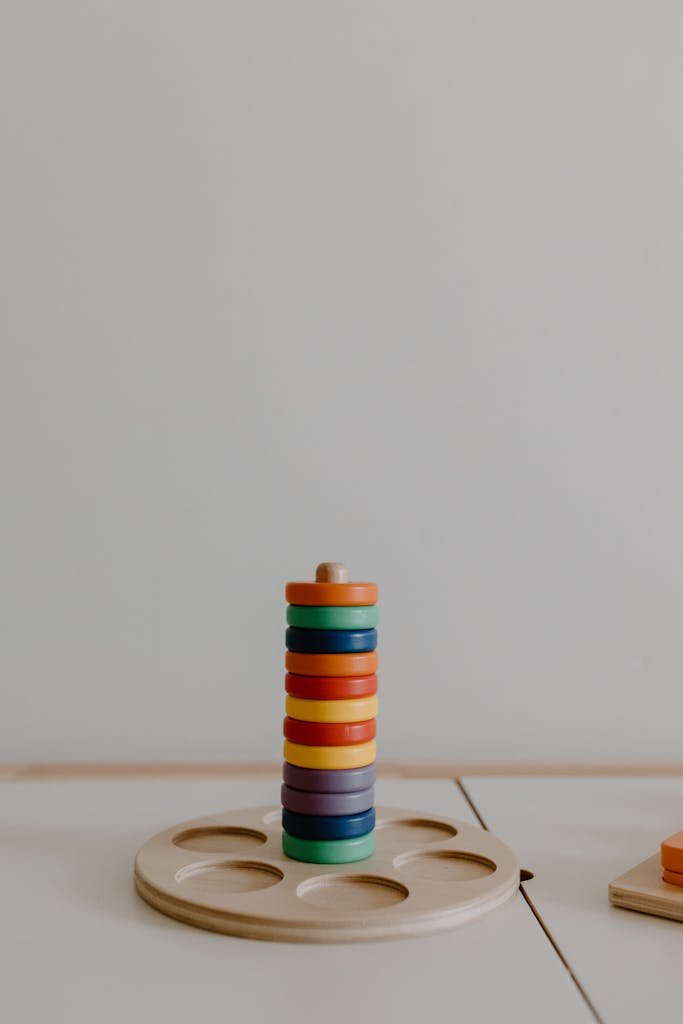
Hands-on sensory play can be deeply soothing for many children. Activities like scooping, pouring, squeezing, molding, and sorting can help children relax, focus, and engage their senses in a calm, structured way.
 |
|
An Important Reminder for Parents
Not every sensory toy works for every child — and that’s completely okay.
A toy that feels calming and comforting for one child may feel uncomfortable or even overstimulating for another. That’s why it’s so important to observe your child’s responses, understand their sensory preferences, and choose tools that truly support their individual needs.
Because the goal is never to have more toys. The goal is to have the right support through play.
Final Thoughts
For autistic and sensory-sensitive children, calming toys can be much more than just playthings they can become tools of comfort, regulation, and connection.
When chosen thoughtfully, the right toy can help a child feel safer in their body, more at ease in their environment, and better able to engage with the world around them.
Sometimes, something as simple as the right toy can make a child’s day feel a little softer, a little calmer, and a lot more manageable.
More to Read
- Is Toy Impacting Your Child’s Speech Development? Find Out Inside
- Expensive vs Budget Baby Toys: What Should Parents Really Choose?
- Is Toy Impacting Your Child’s Speech Development? Find Out Inside
- The question is, do parents really think before buying a toy?
- Toys That Help Babies Reach Milestones Faster